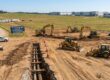
 Directional drilling has revolutionized the oil and gas industry, offering a more efficient and environmentally-friendly way to access underground resources. Unlike traditional vertical drilling, which only allows for straight-line drilling, directional drilling allows operators to steer the well path in multiple directions to reach targets that would otherwise be inaccessible. This technique is not only more cost-effective, but it also minimizes surface disruptions and optimizes resource extraction. As energy demands continue to grow, directional drilling remains a key method for accessing hard-to-reach deposits in a safer and more sustainable manner.
1. Increased Resource Access and Efficiency
One of the primary advantages of directional drilling is its ability to access resources that would otherwise be impossible to reach with vertical drilling. By steering the well horizontally or at an angle, drillers can tap into underground reservoirs over a much larger area. This is especially beneficial in areas with complex geology or where resources are located beneath densely populated or environmentally sensitive regions. Horizontal drilling, for example, enables the extraction of oil and gas from multiple locations without having to drill several wells. This increased access leads to better resource extraction and overall operational efficiency.
2. Reduced Environmental Impact
Directional drilling offers significant environmental benefits over traditional vertical drilling methods. Since the technique allows operators to drill from a single location and reach multiple targets, it reduces the need for multiple drilling sites, minimizing the overall environmental footprint. Additionally, it lowers surface disruption by reducing the amount of land cleared for drilling operations. This is especially crucial in environmentally sensitive areas, such as forests, wetlands, or offshore locations. With less surface disturbance and fewer drilling sites, the ecological impact of extracting natural resources is greatly minimized.
3. Cost Savings and Better Productivity
Although the initial cost of directional drilling equipment and technology may be higher, the long-term savings are substantial. By allowing a single well to access multiple reservoirs, directional drilling reduces the need for multiple drilling rigs and associated costs. Furthermore, it minimizes the time required to extract resources from a given area, increasing overall productivity. The ability to drill more efficiently and reach more reserves ultimately results in better returns on investment for oil and gas companies. Additionally, the reduced need for infrastructure and personnel can lead to lower operational costs over the life of the project.
4. Enhanced Safety and Risk Reduction
Directional drilling also enhances safety and reduces the risks associated with drilling operations. By allowing drillers to avoid sensitive underground areas, such as fault zones or high-pressure formations, it is possible to prevent blowouts or other dangerous situations. Furthermore, the precise control over the drilling path allows for better well placement, reducing the likelihood of accidents or errors. The ability to control the well trajectory from the surface also allows operators to respond more effectively to changing conditions or unexpected challenges. This increased level of control improves both safety and the overall reliability of drilling operations.
Directional drilling continues to offer significant benefits in the energy sector, from enhanced resource access to lower environmental impact. Its cost efficiency and improved safety also make it an invaluable tool for modern drilling operations. As technology advances, the role of directional drilling will likely expand, making it an even more integral part of sustainable resource extraction.