Underground Infrastructure Planning for Green Certifications

Underground Infrastructure Planning for Green Certifications

Modern construction projects increasingly recognize the environmental benefits of subsurface development. Underground infrastructure planning plays a critical role in achieving green building certifications and reducing overall project impact. By integrating sustainable practices into underground systems, developers can significantly lower energy consumption and carbon footprints. The strategic placement and design of subsurface elements contribute to LEED,…

Managing Erosion and Sediment Control on Job Sites

Managing Erosion and Sediment Control on Job Sites

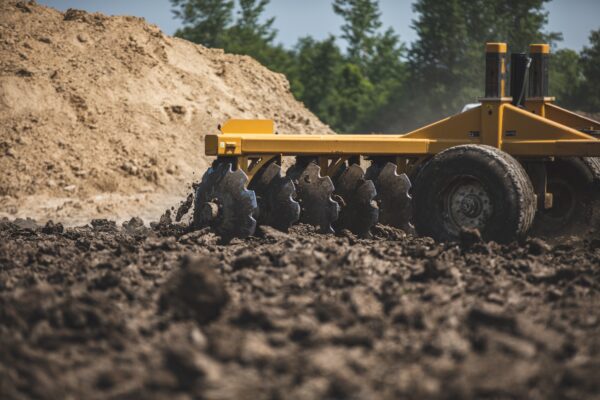
Construction and excavation activities expose soil to wind and water, creating significant erosion challenges that can damage surrounding landscapes and waterways. Erosion and sediment control represents a critical responsibility for contractors and site managers who must protect environmental quality while maintaining project efficiency. Uncontrolled sediment runoff contaminates water sources, clogs drainage systems, and violates federal…

Managing Unforeseen Subsurface Conditions in Construction

Managing Unforeseen Subsurface Conditions in Construction

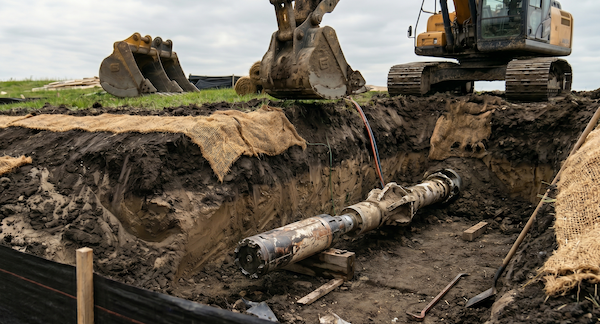
Construction projects frequently encounter unexpected challenges beneath the surface. When digging into the earth, teams may discover rock formations, groundwater, or utilities that were not included in original surveys. These unforeseen subsurface conditions can significantly impact project timelines and budgets. Knowing how to respond quickly and effectively is essential for any construction operation. This guide…

Hydro Excavation in Urban Environments Benefits

Hydro Excavation in Urban Environments Benefits

Construction projects in densely populated cities face unique challenges that traditional excavation methods cannot safely address. Hydro excavation in urban environments has emerged as a game-changing solution for contractors working in tight spaces with underground utilities. This vacuum-assisted excavation technique uses pressurized water to break up soil, which is then removed by powerful suction equipment.…

How Underground Work Impacts Project Scheduling

Underground work impacts project scheduling in ways that surface-level construction simply cannot match. The foundation and subsurface elements of any building project set the tone for everything that follows. Poor planning in the underground phases can create cascading delays that affect the entire timeline. Conversely, well-executed underground work establishes a solid foundation for on-time delivery.…

Ground Penetrating Radar Before Excavation Works

Ground Penetrating Radar Before Excavation Works

Before any construction project breaks ground, understanding what lies beneath the surface is critical. Ground penetrating radar has become an indispensable tool for contractors, engineers, and project managers across the industry. This technology allows professionals to visualize underground utilities, soil composition, and potential hazards before excavation begins. Pre-construction site assessments using ground penetrating radar can…

M•CON Underground Olathe Commons Project

M•CON Underground Olathe Commons Project

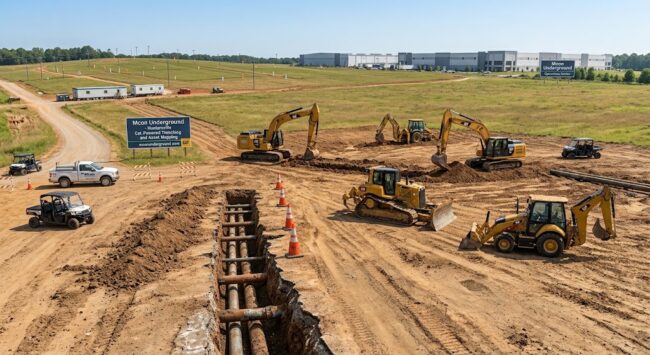
The M•CON Underground team is making major strides on the Olathe Commons project in Olathe, Kansas, and the progress is a clear reflection of their skill, coordination, and commitment in the field. As Superintendent Bryer Miller highlights, the job continues to move forward with strong momentum as crews tackle critical underground infrastructure that will support…

Design-Build Utility Coordination Improves Project Efficiency

Design-Build Utility Coordination Improves Project Efficiency

Underground construction projects face unique challenges that require careful planning and seamless communication between multiple parties. Design-build utility coordination brings together engineers, contractors, and utility specialists from the project’s inception to create comprehensive solutions. This integrated approach addresses potential conflicts before they become costly problems in the field. Early collaboration ensures that all stakeholders understand…