 Construction projects frequently encounter unexpected challenges beneath the surface. When digging into the earth, teams may discover rock formations, groundwater, or utilities that were not included in original surveys. These unforeseen subsurface conditions can significantly impact project timelines and budgets. Knowing how to respond quickly and effectively is essential for any construction operation. This guide provides practical strategies for managing these common underground obstacles.
Understanding Unforeseen Subsurface Conditions
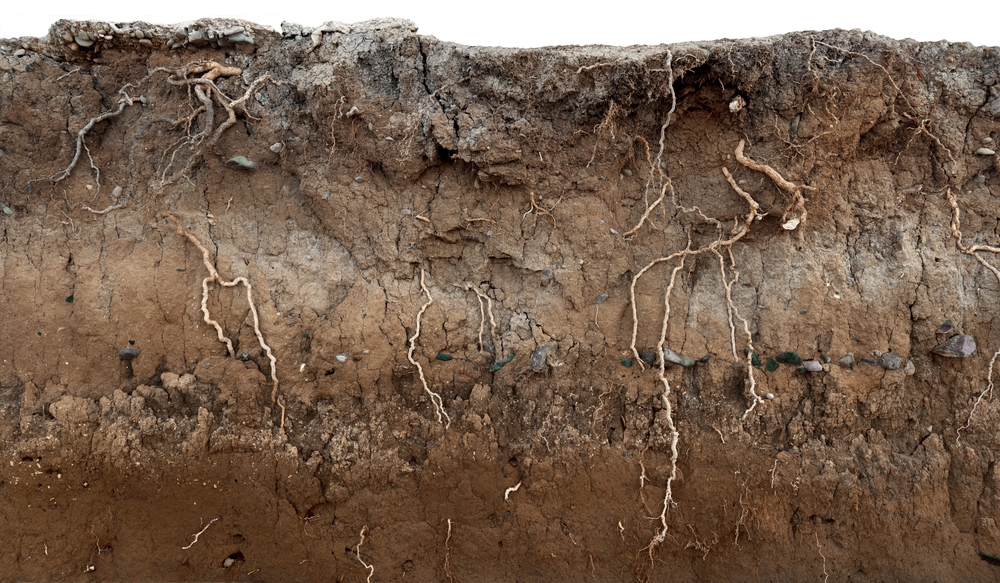
Unforeseen subsurface conditions refer to any underground materials or features that differ from what was anticipated in the construction plans. These discoveries can include bedrock at unexpected depths, underground streams, or abandoned utilities. Soil composition changes, unstable earth layers, and archaeological findings also fall into this category. Even detailed pre-construction surveys sometimes miss critical information due to soil variability or survey limitations. Understanding what constitutes these conditions helps teams prepare appropriate response protocols.
Encountering Rock During Excavation
Rock layers are among the most common unforeseen subsurface conditions contractors face. When excavation reaches unexpected bedrock, standard digging equipment may become ineffective. Teams must assess the rock type and depth to determine the best removal approach. Blasting, hydraulic breaking, or specialized drilling equipment may be necessary depending on the situation. Experienced crews understand that rock discovery requires immediate consultation with the project engineer to evaluate cost and schedule impacts.
Managing Water and Groundwater Issues
Groundwater presents serious challenges when unforeseen subsurface conditions reveal higher water tables than predicted. Water infiltration can destabilize excavation walls and compromise foundation work. Dewatering systems, including pumps and drainage systems, must be installed quickly to manage water flow. In some cases, contractors need to implement cut-off walls or grouting techniques to prevent water intrusion. Proper water management protects worker safety and prevents costly project delays caused by soggy conditions.
Identifying Hidden Underground Utilities
Unknown or mislocated utilities represent particularly dangerous unforeseen subsurface conditions that can endanger lives. Construction teams must halt work immediately when utilities are discovered where they were not expected on plans. Underground gas lines, electrical conduits, and water pipes require immediate notification to utility providers for safe relocation or protection. Professional utility locating services should be called before proceeding further in the affected area. Discovering utilities the right way prevents accidents, fines, and extended project shutdowns.
Responding to Site Discovery Changes
When unforeseen subsurface conditions emerge, the first step is to stop work and document what has been found. Taking photographs and notes creates a record for project stakeholders and engineers. The project manager and site engineer must evaluate how the discovery affects the construction sequence and budget. Contact with the owner, architect, and relevant utility companies ensures proper coordination of next steps. Clear communication prevents confusion and helps everyone understand the path forward.
Planning for Future Project Success
Reducing the impact of unforeseen subsurface conditions begins with thorough pre-construction investigation. Ground-penetrating radar, test borings, and utility locates provide valuable baseline information. Geotechnical reports should detail soil composition, water tables, and known utilities in the area. Including contingency plans and budget reserves for unexpected discoveries protects project finances. Experienced contractors build these preventive measures into their initial project planning to minimize surprises.
Protecting Teams and Timelines
Managing unforeseen subsurface conditions effectively requires trained personnel and proper equipment on site. Workers must understand safety protocols for operating around unexpected obstacles and hazards. Adequate equipment inventory including backup pumps, cutting tools, and utility detection devices ensures rapid response capabilities. Establishing relationships with specialty contractors beforehand allows quick mobilization when conditions require expert intervention. Preparation and clear procedures keep projects moving safely despite underground surprises.
Moving Forward Successfully
Construction teams that encounter unforeseen subsurface conditions need clear protocols and decisive action to maintain project momentum. Identifying the issue accurately, assessing impacts, and coordinating with relevant parties prevents minor discoveries from becoming major delays. Investment in proper site investigation, equipment, and trained personnel reduces surprises significantly. By understanding common subsurface challenges and preparing appropriate responses, construction professionals protect both their projects and their teams when working underground.