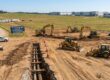
 Excavation services are a fundamental part of any construction or land development project, ensuring that the land is properly prepared for future use. From establishing stable foundations to improving drainage systems, excavation plays a crucial role in creating the ideal environment for construction. With modern techniques, excavation services have become more efficient and environmentally conscious, minimizing disruptions to the surrounding landscape. Whether it’s clearing land for residential or commercial development, excavation ensures safety and longevity for all types of structures. In any project, excavation services remain essential for a successful and sustainable build.
Excavation services are a critical part of any construction or land development project. From laying foundations to installing underground utilities, excavation ensures that the land is properly prepared for future use. Without precise excavation, structures may suffer from instability, drainage issues, or uneven terrain, leading to costly repairs and safety hazards.
Modern excavation techniques have evolved to be more efficient and environmentally friendly. With the right approach, excavation services help shape the land while minimizing disruption to surrounding ecosystems. Whether preparing a residential site, clearing land for commercial use, or improving drainage systems, professional excavation plays a vital role in successful land development.
The Importance of Excavation in Construction
Excavation is more than just digging—it is a strategic process that prepares the land for safe and effective building. Proper excavation helps create stable ground conditions, ensuring that structures remain secure for years to come.
1. Creating a Stable Foundation
One of the primary purposes of excavation in construction is to establish a solid foundation. Uneven or unstable ground can lead to structural issues such as:
- Cracked walls and floors.
- Uneven settling of the building.
- Poor load distribution, which can compromise structural integrity.
Excavation ensures that the soil is properly compacted and leveled before foundation work begins, preventing these common issues.
2. Preparing Land for Roads and Driveways
Excavation is essential for constructing roads, driveways, and pathways. Proper grading ensures that surfaces are even, durable, and resistant to erosion. Key benefits include:
- Smoother surfaces for safe driving and walking.
- Improved drainage to prevent pooling water.
- Increased longevity of pavement and concrete surfaces.
Whether for residential driveways or commercial roadways, excavation services ensure that transportation routes are built on a solid foundation.
3. Installing Underground Utilities
Before any major construction begins, underground utilities such as water lines, sewer systems, and electrical conduits must be properly installed. Excavation services help with:
- Digging trenches for utility placement.
- Ensuring proper depth and alignment to meet safety regulations.
- Preventing future maintenance issues by providing stable soil conditions.
By carefully planning and executing utility installation, excavation prevents costly repairs and disruptions down the line.
4. Improving Drainage and Erosion Control
Poor drainage can lead to serious problems, including soil erosion, flooding, and water damage to structures. Excavation plays a key role in managing water flow by:
- Creating drainage channels to direct water away from buildings.
- Installing retention ponds or drainage basins to prevent flooding.
- Grading land to promote natural runoff and soil stability.
Proper excavation ensures that properties remain protected from water-related damage, improving long-term durability.
Different Types of Excavation Services
Excavation is not a one-size-fits-all process. Depending on the project requirements, different techniques are used to achieve the best results.
1. Topsoil Excavation
This process involves removing the uppermost layer of soil, which is often rich in organic material. Topsoil excavation is necessary for:
- Preparing land for construction by removing soft or unstable soil.
- Creating level surfaces for landscaping and agriculture.
- Reducing the risk of soil compaction, which can hinder plant growth.
2. Earth Excavation
When deeper layers of soil need to be removed, earth excavation is used. This technique is essential for:
- Digging foundations for buildings.
- Preparing land for roads, bridges, and large infrastructure projects.
- Excavating basements or underground parking structures.
3. Rock Excavation
Some construction sites require the removal of rock formations before development can begin. Rock excavation is done using:
- Blasting techniques to break down hard rock formations.
- Specialized machinery like hydraulic breakers or drills.
- Precision cutting methods to preserve surrounding land.
This type of excavation is common in mountainous or rocky terrains where standard digging equipment may not be sufficient.
4. Trench Excavation
Trench excavation is used for narrow, deep digging required for:
- Installing sewer lines and water pipes.
- Laying electrical and telecommunication cables.
- Creating footings for walls or fences.
Careful planning is necessary to prevent trench collapse and ensure worker safety.
5. Dredging
Dredging is a form of excavation performed in water bodies to remove sediment buildup. This technique is used for:
- Maintaining water depth in rivers, lakes, and harbors.
- Preventing flooding by improving water flow.
- Removing debris and pollutants from water sources.
Dredging is essential for keeping waterways navigable and environmentally sustainable.
Click here to continue reading
Original article published on ventsmagazine.com