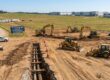
 Excavation work plays a critical role in construction, utility installation, and infrastructure maintenance. However, it remains one of the most hazardous tasks for crews if proper precautions are not in place. From trench collapses to hazardous atmospheres, the risks demand strict safety measures and disciplined planning. By following best practices, contractors can protect workers while maintaining project efficiency. This article outlines key safety protocols and planning essentials crews should prioritize in trenching and confined space operations.
Pre-Job Planning Essentials
Before any excavation begins, crews must conduct thorough pre-job planning. This process should include a detailed site assessment, soil classification, and utility location checks to identify potential hazards. Planning also involves determining the appropriate protective systems, such as sloping, benching, or shoring, based on soil conditions. Supervisors must review project timelines and coordinate with safety officers to ensure compliance with OSHA standards. Effective planning reduces the likelihood of unexpected risks and sets a strong foundation for safe operations.
Protective Systems for Trenches
Trench collapses remain one of the most serious excavation hazards, making protective systems critical. Sloping involves cutting back trench walls at an angle, while benching creates step-like sections for added stability. Shoring uses supports to prevent soil movement, and shielding involves placing trench boxes to protect workers inside. The choice of system depends on soil type, trench depth, and environmental factors such as weather. Ensuring workers understand how these systems function helps reduce the risk of entrapment and injury.
Safe Access and Egress
Providing safe entry and exit routes is essential for crew safety in trenches and confined spaces. OSHA requires ladders, ramps, or steps for trenches deeper than four feet, placed within 25 feet of workers. Proper access minimizes delays during emergencies and prevents accidents caused by climbing unstable trench walls. Crew leaders should routinely inspect these systems to confirm they are secure and positioned correctly. Clear, safe access points enhance efficiency and reduce exposure to unnecessary risks.
Monitoring Atmospheres in Confined Spaces
Excavation often involves confined spaces where hazardous atmospheres can develop. Crews must test for oxygen levels, toxic gases, and flammable substances before entry. Continuous monitoring ensures conditions remain safe, particularly in areas where utilities or groundwater are present. Ventilation systems and personal protective equipment should be in place to maintain breathable air. Proper atmospheric monitoring is critical for preventing incidents such as suffocation, poisoning, or explosions.
Ongoing Training and Supervision
Safety protocols only succeed when crews are well-trained and supervised consistently. Training programs should cover hazard recognition, emergency response, and correct use of protective equipment. Supervisors play a vital role in reinforcing safety standards and ensuring workers follow procedures on every shift. Toolbox talks and refresher sessions help keep crews informed of changes in regulations or site conditions. A strong safety culture relies on leadership commitment and workforce accountability.
Building Safer Excavation Practices
Excavation work cannot be free of risk, but disciplined practices make it far safer. Pre-job planning, protective systems, safe access, and continuous monitoring all contribute to reducing hazards. Training and supervision ensure these practices are carried out effectively across crews and job sites. By prioritizing safety, contractors protect their teams while ensuring projects remain on track and compliant with industry standards.