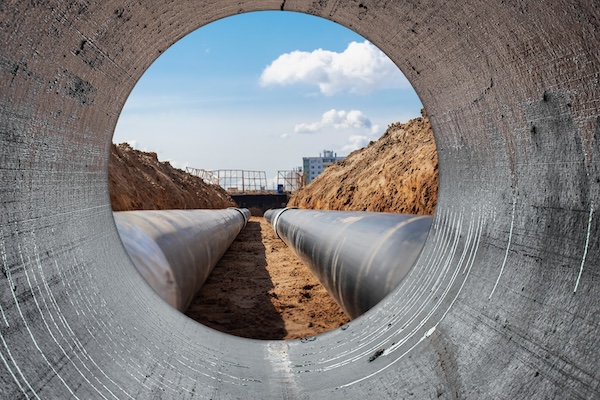
 Before any construction project begins, much of the critical work happens below the surface. Underground infrastructure in site prep provides the foundation for stable, efficient, and safe building projects. This phase involves planning, installing, and inspecting essential systems that will support above-ground development. Without proper attention to underground systems, later stages of construction can encounter costly delays and complications. Understanding the role of underground infrastructure highlights why it is a non-negotiable step in successful site preparation.
Establishing Utility Pathways
One of the first steps in underground infrastructure in site prep is creating pathways for utilities. These include water, sewer, gas, electricity, and telecommunications lines that will serve the finished structure. Careful planning ensures these systems are not only functional but also accessible for future maintenance. Engineers and contractors must coordinate with utility providers to meet local codes and avoid conflicts with other planned systems. This proactive approach minimizes risks of disruptions during construction and helps the project remain on schedule.
Ensuring Drainage Solutions
Proper drainage is essential for any construction site. Installing stormwater management systems early in site prep helps prevent flooding, erosion, and soil instability. Underground piping and detention systems are designed to handle expected water flow, reducing long-term maintenance challenges. Failure to address drainage before construction begins can lead to water damage or compromised structural integrity. Incorporating these systems during underground work protects both the project timeline and the eventual structure.
Stabilizing the Foundation
Soil stabilization and grading are often overlooked but vital components of underground infrastructure. Site prep involves testing soil conditions, adjusting compaction, and ensuring the ground can support the planned load. If the soil is weak, reinforcement methods such as geotextiles or aggregate layers may be required. These measures reduce risks of settling, cracking, or structural failure once construction begins. Addressing foundation stability early ensures a solid base for every subsequent phase of the project.
Integrating Safety Considerations
Underground work also plays a role in meeting safety standards. Installing fire suppression lines, emergency water systems, and protective barriers ensures compliance with building codes. Crews must also follow proper trenching and excavation practices to reduce on-site hazards. Planning safety infrastructure in the early stages helps streamline inspections and prevents costly retrofits later. Safety considerations built into underground work are essential for both immediate and long-term project success.
Supporting Long-Term Efficiency
Well-executed underground infrastructure directly contributes to the efficiency and sustainability of a building. Properly installed systems reduce maintenance costs, support energy-efficient operations, and allow for easier upgrades. For example, accessible utility corridors simplify future repairs or expansions without disrupting the main structure. This foresight ensures that the investment in underground work continues to provide value over the building’s lifespan. Long-term efficiency is built on the strength of careful early planning and execution.
Building Strong Foundations for Success
The success of any construction project depends heavily on the work done before the first visible structures appear. Underground infrastructure in site prep lays the groundwork for safety, stability, and long-term functionality. By focusing on utilities, drainage, foundation support, and safety, construction teams reduce risks and keep projects on track. Thorough underground preparation ensures that the building process above ground can move forward smoothly and efficiently.