 Underground work impacts project scheduling in ways that surface-level construction simply cannot match. The foundation and subsurface elements of any building project set the tone for everything that follows. Poor planning in the underground phases can create cascading delays that affect the entire timeline. Conversely, well-executed underground work establishes a solid foundation for on-time delivery. Understanding these dynamics is critical for project managers, contractors, and stakeholders who want to maintain realistic schedules.
Foundation Setting the Pace
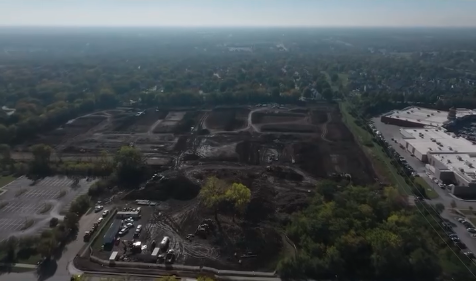
The foundation is where underground work impacts project in the most fundamental way. Excavation depth, soil conditions, and groundwater levels directly determine how quickly crews can move forward. If unforeseen geological challenges arise during this phase, timelines shift immediately and subsequent trades must wait. Many projects experience their first delays right here because site conditions rarely match preliminary surveys perfectly. Investing in thorough geotechnical investigations before breaking ground can prevent weeks of lost time later.
Utility Coordination and Conflicts
 Underground utilities represent a major scheduling obstacle that requires careful coordination from the start. Existing water lines, gas mains, electrical conduits, and telecommunications cables occupy the same space where your project must dig. Locating these utilities takes time, and relocating them takes even longer. Underground work impacts project when utility companies cannot respond quickly to requests for marks or moves. Building in buffer time for utility coordination is essential to prevent unexpected work stoppages.
Weather and Seasonal Constraints
Seasonal conditions and weather patterns significantly affect how quickly underground work can progress. Wet soil, frozen ground, and heavy rainfall all slow excavation and foundation work considerably. In colder climates, winter underground work may be impossible without substantial heating and protection systems. Contractors must plan underground phases during favorable weather windows to maintain momentum. Scheduling flexibility and contingency periods are necessary components of any realistic project timeline.
Testing and Approval Requirements
Regulatory inspections and soil testing create mandatory waiting periods that impact underground work scheduling. Compaction tests, concrete strength verification, and structural inspections must all pass before moving upward. Inspectors operate on their own schedules, and municipalities often have backlogs that delay approvals. Some projects experience week-long waits between completion of work and official sign-off from authorities. Planning for these administrative phases upfront prevents frustration and last-minute schedule compression.
Equipment and Labor Availability
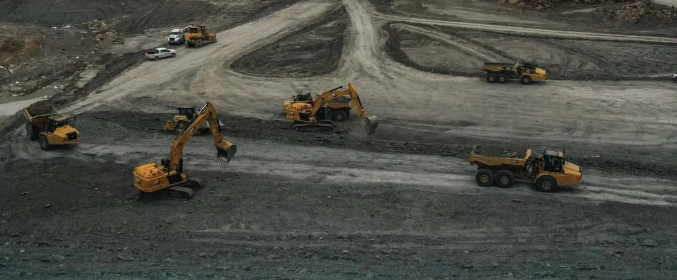
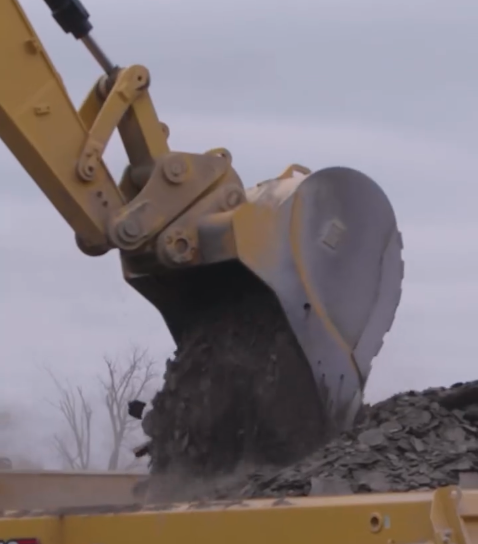
 Securing specialized equipment and skilled labor for underground work impacts project timing throughout the year. Excavators, pile drivers, and shoring equipment may not be readily available when your project needs them. Skilled trench workers and foundation specialists are in high demand, particularly during peak construction seasons. Underground work requires expertise that cannot be rushed or replaced by less experienced personnel. Booking equipment and crews well in advance is critical to avoiding delays caused by resource constraints.
Accelerating Underground Phases for Success
Proactive planning and advanced preparation are the most effective ways to keep underground work impacts project scheduling to a minimum. Conducting detailed site investigations, pre-planning utility coordination, and establishing inspector relationships before work begins creates advantages. Clear communication with all trades ensures everyone understands how delays in underground work ripple through the project. Allocating adequate budget for contingencies prevents corner cutting when unexpected conditions arise. Success in the underground phases translates directly to success in the overall project timeline.