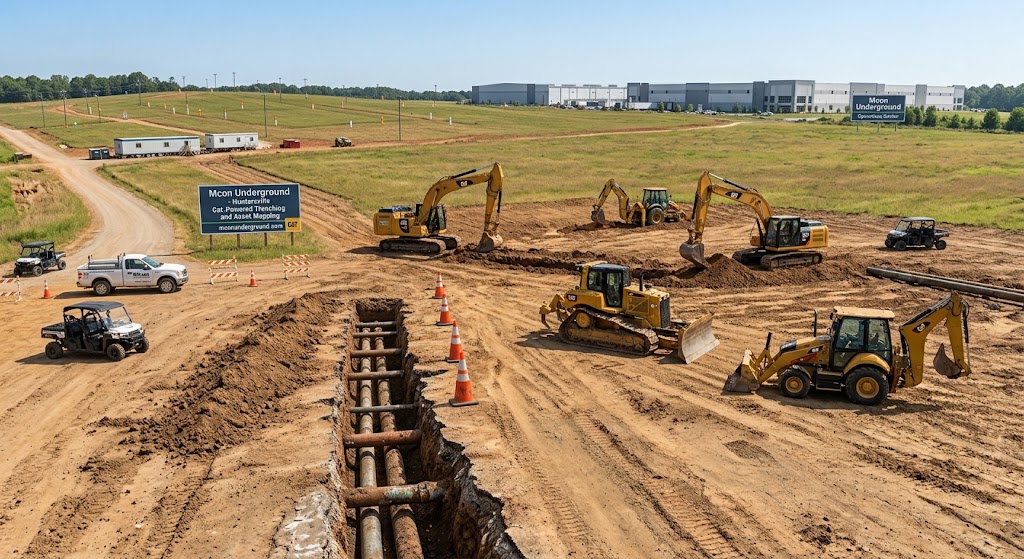
 Underground utility systems form the backbone of modern infrastructure, carrying everything from water and sewer lines to electrical cables and telecommunications networks. However, many property owners and municipalities lack accurate records of what lies beneath their properties. As-built underground mapping provides detailed documentation of underground systems exactly as they were installed after construction completion. This practice has become essential for anyone responsible for property management or infrastructure planning. Understanding the importance of as-built underground mapping can save organizations significant time, money, and potential safety hazards down the road.
Preventing Costly Excavation Accidents
One of the primary reasons for as-built underground mapping is accident prevention during future excavation projects. Without accurate records, construction crews risk striking buried utilities, which can result in service interruptions, environmental damage, and serious injuries. When as-built underground mapping documentation is available, contractors can plan their work safely and efficiently. The cost of repairing damaged utilities often far exceeds the investment in comprehensive mapping. Additionally, accidental utility strikes can lead to emergency response situations that disrupt entire neighborhoods or business districts.
Streamlining Maintenance and Repairs
Facilities managers and maintenance teams rely heavily on accurate records to locate and service underground infrastructure. As-built underground mapping eliminates guesswork and provides precise locations of pipes, cables, and conduits. This reduces the time technicians spend searching for specific systems, allowing them to complete repairs more quickly. Faster repairs mean less downtime for critical services that depend on underground utilities. When maintenance teams have access to detailed as-built underground mapping data, they can schedule work more effectively and allocate resources appropriately.
Supporting Expansion and Modernization Projects
Property owners and developers frequently need to expand or upgrade underground infrastructure to accommodate growth or improved services. As-built underground mapping provides a foundation for these projects by showing exactly what already exists below the surface. Engineers and planners use this information to design new systems that integrate seamlessly with existing infrastructure. Without comprehensive as-built underground mapping, expansion projects become considerably more difficult and expensive. Accurate documentation also helps identify opportunities to optimize system layouts and improve overall infrastructure efficiency.
Ensuring Regulatory Compliance and Safety Standards
Many jurisdictions and regulatory bodies require accurate documentation of underground utility systems for compliance purposes. As-built underground mapping helps organizations meet these legal obligations and demonstrates due diligence in managing their properties. Regulatory agencies often request this documentation during inspections or when granting permits for new construction. Having proper as-built underground mapping records protects organizations from potential fines and legal liability. Furthermore, comprehensive mapping supports emergency response efforts by providing critical infrastructure information to first responders during crises.
Reducing Long-Term Operational Costs
Investing in as-built underground mapping during or immediately after installation costs significantly less than addressing problems reactively later. When damage occurs to unmapped utilities, the resulting repairs, service interruptions, and potential regulatory penalties accumulate quickly. As-built underground mapping serves as an insurance policy against future complications and unexpected expenses. Organizations that maintain accurate records consistently report lower maintenance costs and fewer emergency situations. The initial investment in comprehensive as-built underground mapping typically pays for itself within a few years through operational efficiencies alone.
Moving Forward with Confidence
Accurate as-built underground mapping is an investment in the long-term success and safety of any property or infrastructure system. Organizations that prioritize comprehensive documentation experience fewer costly incidents and maintain better control over their underground assets. By establishing proper as-built underground mapping practices now, property managers can avoid expensive problems and ensure smooth operations for years to come. The time to document your underground systems is immediately after installation, before memory fades and systems age further.