
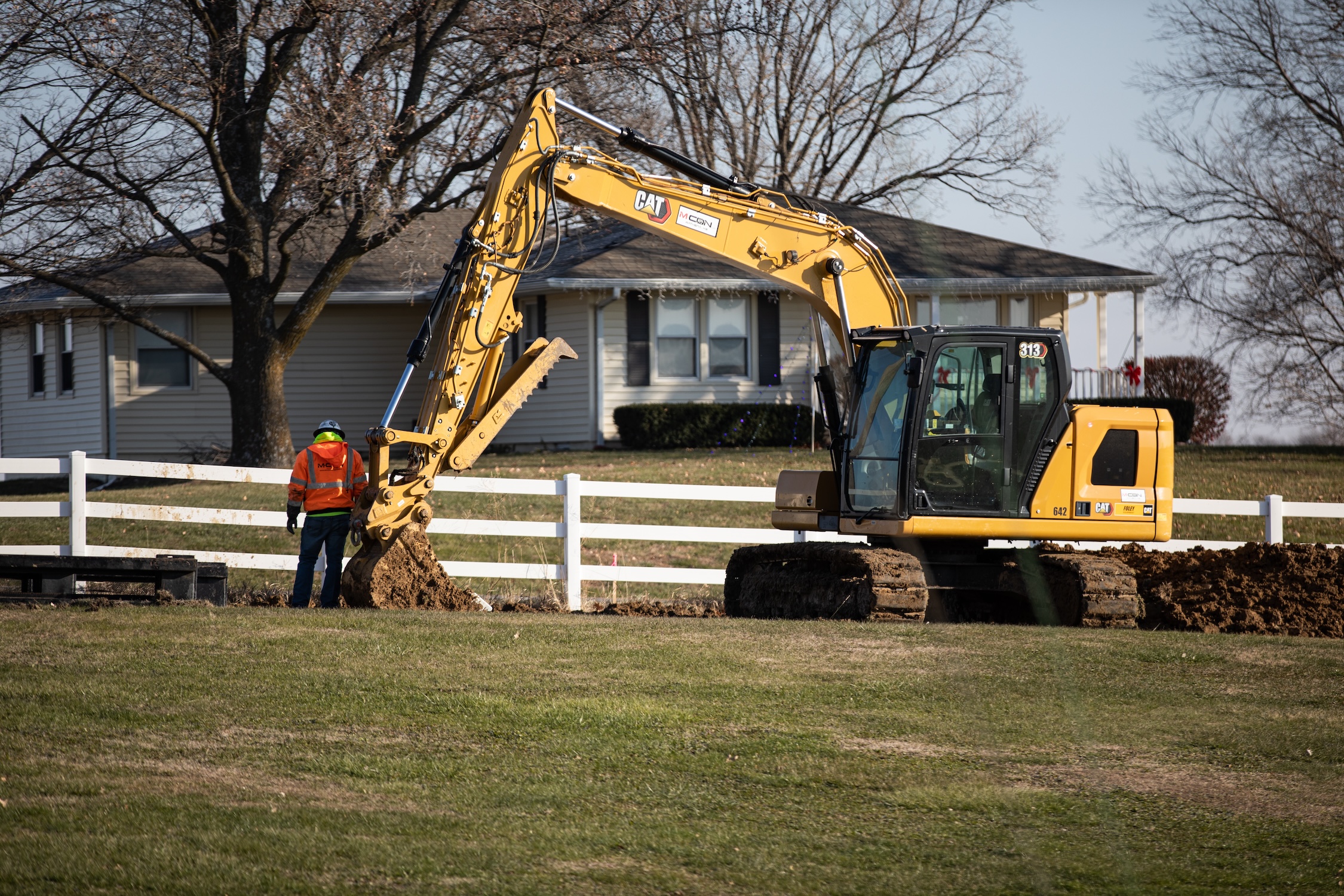
 Excavator operating mistakes can lead to serious consequences, including accidents, injuries, and costly damage to equipment. While excavators are essential tools in construction and other industries, improper operation can compromise safety and efficiency. Understanding common mistakes made by operators is crucial in preventing these risks. We’ll explore some of the most frequent errors in excavator operating mistakes and how to avoid them, ensuring safer and more effective use of this powerful machinery.
Excavators are powerful and versatile machines used in construction, mining, and other industries to dig, lift, and move heavy materials. However, the improper operation of excavators can lead to accidents, injuries, and even fatalities.
In this article, we will explore the common mistakes made by excavator operators and the potential consequences of these errors. By understanding these mistakes, operators can take steps to avoid them and ensure safe and efficient operation of excavators.
1. Lack of Proper Equipment Inspection and Maintenance
One of the most common mistakes made by excavator operators is the failure to properly inspect and maintain the equipment. Excavators are complex machines with many moving parts, and regular inspection and maintenance are essential to ensure their safe and efficient operation. Failure to inspect and maintain the equipment can lead to mechanical failures, breakdowns, and accidents.
For example, a worn-out hydraulic hose or a malfunctioning brake system can cause the excavator to lose control, leading to serious injuries or damage to property.
To avoid these issues, operators should conduct thorough pre-operation inspections and follow the manufacturer’s recommended maintenance schedule.
In addition to regular inspections and maintenance, operators should also be trained to recognize the signs of potential equipment problems and take appropriate action to address them. This includes monitoring fluid levels, checking for leaks, and listening for unusual noises during operation.
By staying vigilant and addressing potential issues promptly, operators can prevent equipment failures and ensure the safety of themselves and others on the worksite.
2. Inadequate Training and Experience
Another common mistake made by excavator operators is the lack of proper training and experience. Operating an excavator requires a high level of skill and knowledge, and inexperienced or untrained operators are more likely to make errors that can lead to accidents.
Without proper training, operators may struggle to control the excavator, leading to collisions, rollovers, or other dangerous situations. Inexperienced operators may also be unaware of the proper operating procedures and safety protocols, putting themselves and others at risk.
To avoid these issues, operators should undergo comprehensive training and gain hands-on experience under the supervision of a qualified instructor. Training should cover the safe operation of the excavator, as well as the proper use of attachments, equipment inspection and maintenance, and emergency procedures. By investing in proper training and experience, operators can improve their skills and confidence, reducing the likelihood of accidents and injuries on the worksite.
3. Ignoring Safety Protocols and Guidelines
Excavator operators must adhere to strict safety protocols and guidelines to ensure the safety of themselves and others on the worksite. However, one common mistake made by operators is the failure to follow these protocols, leading to accidents and injuries. For example, operators may ignore the proper use of personal protective equipment (PPE), such as hard hats, gloves, and safety glasses, putting themselves at risk of injury from falling debris or other hazards. Operators may also fail to secure the worksite, leading to unauthorized access and potential accidents.
To avoid these issues, operators should familiarize themselves with the safety protocols and guidelines specific to their worksite and industry. This includes understanding the proper use of PPE, the safe operation of the excavator, and the procedures for securing the worksite. By following these protocols and guidelines, operators can create a safer working environment and reduce the risk of accidents and injuries.
4. Overloading the Excavator
Overloading an excavator is a serious mistake that can lead to mechanical failures, accidents, and injuries. Excavators are designed to lift and move specific weights, and exceeding these limits can cause the equipment to become unstable and lose control.
Overloading the excavator can also lead to premature wear and tear on the machine, reducing its lifespan and increasing the risk of mechanical failures. To avoid these issues, operators should be aware of the maximum lifting capacity of the excavator and ensure that they do not exceed this limit during operation.
In addition to understanding the maximum lifting capacity of the excavator, operators should also be trained to properly secure and balance loads to prevent accidents and injuries.
This includes using the appropriate lifting attachments, such as hooks, slings, and chains, and following the manufacturer’s guidelines for load placement and distribution. By following these best practices, operators can avoid overloading the excavator and ensure the safe and efficient movement of materials on the worksite.
5. Improper Use of Attachments
Excavators are often equipped with a variety of attachments, such as buckets, grapples, and hammers, to perform different tasks on the worksite. However, the improper use of attachments is a common mistake made by operators that can lead to accidents and equipment damage. For example, using the wrong attachment for a specific task can cause the excavator to become unstable and lose control, leading to accidents and injuries. Improper use of attachments can also lead to premature wear and tear on the equipment, reducing its lifespan and increasing maintenance costs.
To avoid these issues, operators should be trained to properly select and use attachments for specific tasks, following the manufacturer’s guidelines and best practices. This includes understanding the weight and dimensions of the materials being moved, as well as the proper attachment for the task at hand. By using attachments correctly, operators can improve the efficiency and safety of excavator operation, reducing the risk of accidents and equipment damage.
6. Failure to Check for Underground Utilities
Excavator operators must be aware of the potential hazards posed by underground utilities, such as gas lines, water pipes, and electrical cables, when digging or trenching on the worksite. However, one common mistake made by operators is the failure to check for underground utilities before beginning excavation work. This can lead to serious accidents, including gas leaks, water main breaks, and electrical shocks, posing a danger to the operator and others on the worksite.
To avoid these issues, operators should conduct thorough utility locates before beginning excavation work, using ground-penetrating radar, utility maps, and other tools to identify the location of underground utilities.
Operators should also be trained to recognize the signs of potential utility hazards, such as unusual odors, sounds, or visual cues, and take appropriate action to address them. By checking for underground utilities before excavation work, operators can reduce the risk of accidents and ensure the safety of themselves and others on the worksite.
Click here to continue reading
Original article published on excavator.top