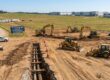
 Underground utility systems are the hidden backbone of modern infrastructure, supporting everything from water and electricity to telecommunications. As cities expand and construction accelerates, the need to safely locate and manage these systems has never been more critical. With rising costs and increased risks, the industry is turning to technology for smarter, safer solutions. Investing in accurate mapping and innovative tools is essential to protect and optimize underground utility systems.
Underground utility construction is vital for safely installing essential services like water, electricity, and telecommunications while minimizing surface disruption. It ensures infrastructure durability, reduces maintenance costs, and helps preserve the environment by preventing visual clutter.
The construction sector is experiencing rapid growth, resulting in substantial costs, particularly related to subsurface conditions at construction sites. Each year, billions of dollars are spent on locating underground utilities. The financial repercussions of failing to identify these utilities can be even more significant, resulting in accidental line strikes, damages, legal actions, and health and safety risks.
Consequently, this sector urgently requires modernization, particularly for underground utilities. The utilities located beneath the ground are essential for the functionality of all operations above.
Underground Utilities
Underground utilities encompass all components of both public and private infrastructure that are situated beneath the surface. This category includes gas and oil pipelines, sewer and drainage systems, water mains, electrical cables, and telecommunication lines.
Previously, certain utilities were installed above ground to reduce costs and labor. In contrast, contemporary practices increasingly favor the underground placement of utilities as companies recognize the importance of safety, durability, and visual appeal.
Constructing these services underground significantly enhances their resilience against environmental challenges and mitigates the potential for damage to adjacent properties, resources, and individuals. For instance, overhead power lines pose risks such as forest fires and widespread power outages during severe weather events. Additionally, underground utilities offer improved protection against cyber threats, tampering, theft, and sabotage. Therefore, the most secure arrangement for all stakeholders is the installation of these utilities below ground.
Significance of Underground Utilities
Underground utilities serve as the essential links that bind communities together. Their absence would disrupt the proper functioning of society. Underground water pipelines deliver clean and safe drinking water to every home and business.
Electric power lines provide the electricity that underpins nearly all modern activities. Additionally, telecommunication and data cables enable access to information and services via the internet. Therefore, accurately identifying the locations of these underground utilities is crucial to prevent accidental damage. A single error by a construction firm could result in the loss of essential services for entire neighborhoods or even larger areas.
The Importance of Underground Utility Mapping
Utility locating and mapping have become critically important in contemporary society. In previous times, individuals might have managed without power or internet for a few days; however, such a scenario is now inconceivable for the majority of modern professionals.
The surge in construction activities has heightened the necessity for dependable subsurface data regarding underground utilities. The integration of this sector with current technological advancements can effectively address this demand. At present, the construction industry requires enhanced tools and digital systems to meet project obligations in a safe, efficient, and profitable manner. Consequently, the demand for swift and precise utility mapping continues to rise.
Original article published on utilitiesbusinessreview.com